Bed Bug Treatment Preparation Checklist: A Comprehensive Guide
Franklin Pest Solutions provides a detailed bed bug treatment preparation checklist, ensuring efficient infestation control; proactive steps are crucial for success.
Freedom Pest Control’s checklist emphasizes best practices, aiding quick and effective treatment, while Johnson G.G.’s research highlights bed bug ecology.
Effective bed bug remediation often requires chemical extermination, as suggested by WebMD, alongside diligent home preparation for optimal results and lasting relief.
Understanding the Bed Bug Threat
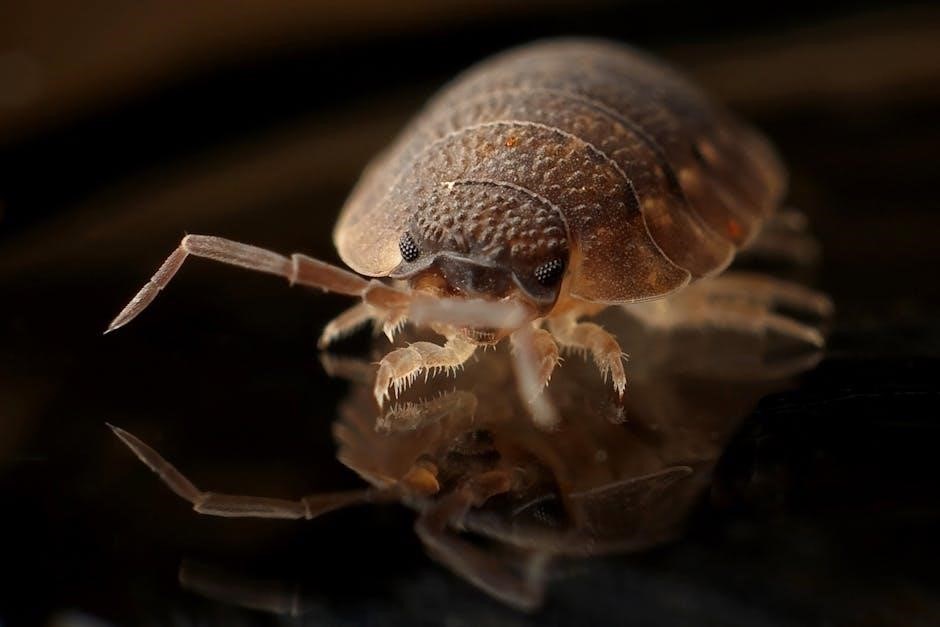
Bed bugs, scientifically known as Cimex lectularius, are small, resilient insects posing a significant challenge to homeowners. These nocturnal creatures thrive on human blood, typically feeding while individuals sleep, causing itchy bites and considerable discomfort. Their flat bodies allow them to hide in incredibly tight spaces – within mattresses, box springs, furniture cracks, and even behind wallpaper.
The increasing prevalence of bed bugs is linked to factors like increased international travel and the resistance of these pests to common insecticides. A successful bed bug treatment isn’t solely about applying pesticides; thorough preparation is paramount. Documents like the Franklin Pest Solutions checklist emphasize this, detailing necessary steps before professional treatment. Ignoring preparation can drastically reduce treatment effectiveness, leading to repeat infestations and prolonged frustration. Understanding their biology, as researched by Johnson G.G., is also key to effective control.
Identifying Bed Bug Infestations
Recognizing a bed bug infestation early is crucial for effective control. While bites are a common indicator, they aren’t always immediately apparent, and reactions vary significantly between individuals. Key signs include discovering small, dark fecal spots on mattresses, bedding, or furniture – evidence of their presence and feeding habits.
Look for shed skins or live bugs themselves in hiding places like mattress seams, box springs, headboards, and cracks in furniture. The slim, flat bodies of these pests allow them to conceal themselves effectively. A proactive approach, guided by resources like the Franklin Pest Solutions checklist, encourages regular inspections. Ignoring early signs can lead to widespread infestation, necessitating more extensive and costly treatment. Remember, as noted in various sources, bed bugs are adept at hiding, making detection challenging without diligent searching.
The Importance of Pre-Treatment Preparation
Thorough pre-treatment preparation is paramount for successful bed bug eradication. As emphasized by Freedom Pest Control’s checklist, a well-prepared environment maximizes the effectiveness of any treatment plan. Failing to adequately prepare can significantly reduce the chances of complete elimination, leading to repeat infestations and wasted resources.
Preparation involves decluttering, laundering linens, and vacuuming thoroughly – actions that directly reduce harborage areas and bug populations. A clean and accessible space allows pest control professionals to apply treatments precisely where needed, increasing their impact. The Franklin Pest Solutions checklist underscores this point, highlighting the need for client cooperation. Ultimately, proactive preparation, guided by a detailed checklist, transforms a challenging situation into a manageable one, paving the way for a bug-free home.
Pre-Treatment Checklist: Room Preparation
Room preparation, as outlined in checklists from Franklin and Freedom Pest Control, focuses on minimizing clutter and maximizing access for effective treatment application.
Bedroom Preparation
Thorough bedroom preparation is paramount, according to multiple bed bug treatment preparation checklists. Begin by stripping all bedding – sheets, blankets, pillowcases, and comforters – and placing them directly into sealed plastic bags. These items require immediate washing and drying on high heat to eliminate any potential infestations.
Next, vacuum mattresses and box springs meticulously, paying close attention to seams, tufts, and any crevices. Utilize a crevice tool attachment for optimal results. Dispose of the vacuum bag or empty the canister immediately into a sealed plastic bag outdoors.
Remove all items from under the bed, including storage containers, and inspect them carefully. Declutter the room as much as possible, removing any unnecessary items that could harbor bed bugs. This provides better access for treatment and monitoring.
Stripping Bedding and Linens
The initial step in bedroom preparation, as detailed in most bed bug treatment preparation checklists, involves completely stripping all bedding. This includes removing sheets, pillowcases, blankets, comforters, mattress protectors, and any other fabric found on the bed.
Immediately place all removed linens into heavy-duty plastic bags. Sealing the bags is crucial to prevent bed bugs from escaping during transport. Do not simply pile the linens; containment is key.
These bagged items require immediate and thorough laundering. Wash in hot water – ideally exceeding 120°F (49°C) – and dry on the highest heat setting for at least 30 minutes. This heat treatment effectively kills bed bugs and their eggs.
Vacuuming Mattresses and Box Springs
Thorough vacuuming of mattresses and box springs is a critical component of pre-treatment preparation, as outlined in comprehensive bed bug treatment preparation checklists. Utilize a vacuum with a hose attachment and a crevice tool to meticulously clean all surfaces.
Pay particular attention to seams, tufts, and any folds or crevices where bed bugs and their eggs may be hiding. Slow, deliberate movements are essential to dislodge these pests.
After vacuuming, immediately remove the vacuum bag or empty the canister into a sealed plastic bag and dispose of it outdoors. This prevents any collected bed bugs from re-infesting the area. Repeat this process several times for maximum effectiveness, focusing on areas with visible signs of infestation.
Living Room & Common Area Preparation
Preparation of living rooms and common areas, as detailed in a bed bug treatment preparation checklist, mirrors bedroom procedures, emphasizing thoroughness. Decluttering infested areas is paramount; remove all unnecessary items to facilitate effective treatment and inspection.
Vacuuming carpets and upholstery is crucial, utilizing crevice tools to reach hidden areas. Similar to mattresses, immediately seal and dispose of vacuum contents outdoors. Inspect furniture seams, cushions, and underneath furniture for signs of bed bugs.
Focus on areas near where people spend extended periods sitting or resting. Remember bed bugs aren’t limited to bedrooms; they thrive wherever humans congregate. A clean and organized space significantly improves treatment success.
Decluttering Infested Areas
Decluttering infested areas is a foundational step in any successful bed bug treatment preparation checklist. Removing excess items drastically reduces harborage points where bed bugs hide and breed, improving treatment efficacy.
This involves removing stacks of papers, books, clothing piles, and any unnecessary objects from floors, shelves, and furniture. Bed bugs thrive in undisturbed clutter, making inspection and treatment significantly more difficult. Consider temporarily relocating items to unaffected rooms, sealing them in plastic bags if possible.
A minimalist approach allows pest control professionals better access to infested areas, ensuring comprehensive treatment. Remember, a clear space is a treatable space, maximizing the chances of complete bed bug elimination.
Vacuuming Carpets and Upholstery
Vacuuming carpets and upholstery thoroughly is a critical component of any bed bug treatment preparation checklist. This physically removes bed bugs, their eggs, and shed skins, reducing the overall infestation level before professional treatment.
Pay close attention to seams, edges, and underneath furniture where bed bugs frequently congregate. Utilize a vacuum with a hose attachment to reach into cracks and crevices. Immediately after vacuuming, seal the vacuum bag tightly in a plastic bag and dispose of it outdoors.
Repeat this process several times in the days leading up to treatment. While vacuuming isn’t a standalone solution, it significantly aids in minimizing the bed bug population and enhancing the effectiveness of subsequent pest control measures.

Pre-Treatment Checklist: Item Management
Effective item management, including laundry and furniture preparation, is vital before treatment; bagging non-washables and disassembly aids thorough inspection and successful pest control.
Laundry Procedures
Prior to pest control treatment, meticulous laundry procedures are paramount. All potentially infested clothing, bedding, curtains, and linens must undergo a rigorous washing and drying cycle. Utilize the hottest water setting permissible for the fabric, ideally exceeding 120°F (49°C), to effectively kill bed bugs and their eggs.
Following the wash cycle, transfer items directly to a dryer and tumble dry on the highest heat setting for a minimum of 30 minutes. This heat exposure is critical for complete eradication. For items unsuitable for washing, such as delicate fabrics or those requiring dry cleaning, seal them tightly in plastic bags.
These sealed bags should be clearly labeled and kept isolated to prevent re-infestation. Consider professional dry cleaning as an alternative, informing the cleaner about the potential bed bug presence. Proper laundry protocols significantly reduce the bed bug population and enhance the overall treatment efficacy.
Washing and Drying Infested Clothing
Effective elimination of bed bugs from clothing hinges on proper washing and drying techniques. Begin by collecting all potentially infested items – clothing, bedding, towels – into sealed plastic bags to prevent spreading. Wash these items in hot water, exceeding 120°F (49°C), if the fabric allows. The high temperature is crucial for killing bed bugs and their eggs.
Use a strong detergent and a normal wash cycle. Immediately after washing, transfer the items to a dryer and tumble dry on the highest heat setting for at least 30 minutes. This intense heat is vital; even if items feel dry, the prolonged heat ensures complete eradication.
Avoid placing clean, dried items near potentially infested areas. Properly laundering clothing is a cornerstone of successful bed bug treatment, significantly reducing the population before professional intervention.
Bagging and Sealing Non-Washable Items
For items that cannot be washed, such as certain shoes, books, or delicate fabrics, careful containment is essential. Place these items into heavy-duty plastic bags, ensuring they are completely sealed to prevent bed bugs from escaping or re-infesting treated areas.
Use strong packing tape to securely close each bag, paying attention to any potential openings. Consider using multiple layers of tape for added security. These bagged items should be stored in a sealed container or a separate, isolated room to avoid cross-contamination.
While bagging doesn’t kill bed bugs, it effectively isolates them, preventing further spread during treatment. This step is crucial for a comprehensive approach, complementing washing and professional pest control measures for a successful outcome.
Furniture Preparation
Thorough furniture preparation is a cornerstone of effective bed bug treatment. Begin by carefully inspecting all furniture items in infested areas, paying close attention to seams, cracks, and crevices where bed bugs commonly hide.
Disassembly, when possible, allows for more detailed inspection and treatment access. Remove drawers, cushions, and any detachable parts. Vacuum each component meticulously. Inspect the interior of frames and underneath upholstery.
Bagging and sealing furniture parts, similar to non-washable items, can isolate potential infestations during treatment. This prevents bed bugs from escaping and re-infesting cleaned areas. Remember, preparation is key to maximizing the effectiveness of professional pest control services.

Disassembly of Furniture (If Possible)
Complete disassembly of furniture, where feasible, significantly enhances bed bug treatment effectiveness. This involves removing legs, backs, drawers, and any other detachable components from infested items.
Detailed inspection of each part is crucial. Bed bugs frequently harbor within the structural elements of furniture, hidden from plain sight. Focus on joints, screw holes, and areas where fabric meets wood or metal.
Separating components allows for targeted vacuuming and, if recommended by your pest control professional, direct application of treatment products. Reassembly should occur only after confirming complete elimination of bed bugs and following professional guidance. This meticulous approach maximizes treatment success.
Inspecting Furniture for Bed Bugs
Thorough furniture inspection is paramount during bed bug preparation. Utilize a bright flashlight and magnifying glass to meticulously examine all surfaces, seams, and crevices.
Pay close attention to areas where fabric is tucked or stapled, underneath cushions, and inside any enclosed spaces. Look for live bed bugs, shed skins, fecal spots (small, dark stains), and tiny eggs.
Focus on furniture near sleeping areas, as these are prime feeding locations. Remember bed bugs are adept at hiding in incredibly small spaces. Consistent, detailed inspection, guided by a bed bug treatment preparation checklist, is vital for identifying the extent of the infestation and ensuring effective treatment.

Pre-Treatment Checklist: General Housekeeping
Comprehensive cleaning is essential; vacuuming cracks and crevices thoroughly removes bugs and eggs, while decluttering provides better access for effective pest control treatments.
Vacuuming Thoroughly
Diligent vacuuming is a cornerstone of effective bed bug preparation. Focus on all areas where these pests might harbor, extending beyond visible infestations. Pay particular attention to cracks and crevices in floors, along baseboards, within furniture seams, and around electrical outlets – these are prime hiding spots.
Utilize a vacuum with a hose attachment to reach into these tight spaces. Slowly and methodically vacuum all surfaces, overlapping each pass to ensure complete coverage. Don’t forget mattress seams, tufts, and under the box spring.
Immediately after vacuuming, remove the vacuum bag or empty the canister into a sealed plastic bag. Dispose of the bag or contents outside in a sealed container to prevent re-infestation. Thorough vacuuming significantly reduces the bed bug population before professional treatment, enhancing overall success.
Focusing on Cracks and Crevices
Bed bugs expertly exploit narrow spaces for shelter and breeding. Therefore, concentrating vacuuming and inspection efforts on cracks and crevices is paramount during pre-treatment preparation. These areas provide ideal hiding places, protecting them from cleaning and insecticides.
Specifically target areas where the wall meets the floor, around baseboards, within furniture joints, along window and door frames, and inside electrical outlets (with caution!). Use a crevice tool attachment on your vacuum to reach deep into these spaces, dislodging hidden bugs and eggs.
Don’t overlook picture frames, under loose wallpaper, and any small openings in furniture. Meticulous attention to these often-overlooked areas significantly reduces the bed bug population, maximizing the effectiveness of professional treatment;
Removing Obstacles
Successful bed bug treatment hinges on the pest control professional’s ability to access all potential harborages. Therefore, removing obstacles throughout the infested areas is a critical pre-treatment step. This ensures thorough insecticide application and inspection.
Clear clutter from floors, including boxes, toys, and stacks of paper. Move furniture away from walls to allow for complete treatment of baseboards and surrounding areas. Remove any items blocking access to electrical outlets, bed frames, and furniture joints.
Providing unobstructed access not only improves treatment efficacy but also reduces the time and cost associated with the service. A clear path allows technicians to work efficiently, ensuring comprehensive coverage and a higher likelihood of complete bed bug elimination.
Providing Access for Treatment
To maximize the effectiveness of bed bug treatment, it’s essential to provide access for treatment to all potentially infested areas. This means ensuring the pest control technician can thoroughly inspect and treat every nook and cranny where these pests might hide.

Pull beds away from walls – ideally at least 18 inches – to allow for complete treatment of the bed frame and surrounding areas. Remove any bed skirts or dust ruffles. Ensure access to all sides of furniture, including under and behind it.
Clear pathways to allow easy movement throughout the room. Technicians need unobstructed access to cracks, crevices, and voids. This proactive step, as highlighted in various treatment checklists, significantly improves the chances of successful eradication.
Post-Preparation Considerations
Communicate clearly with your pest control professional regarding completed tasks; safety precautions during treatment are vital, and post-treatment monitoring ensures success.
Communicating with the Pest Control Professional
Open communication with your chosen pest control professional is paramount for a successful bed bug treatment. Before the scheduled appointment, clearly confirm you’ve completed all items on the preparation checklist – like those provided by Franklin Pest Solutions and Freedom Pest Control.
Specifically, detail which laundry procedures were followed, furniture disassembly completed, and areas thoroughly vacuumed. Transparency regarding any challenges encountered during preparation is also crucial.
During the initial consultation, discuss the proposed treatment plan, expected timelines, and any potential disruptions. Don’t hesitate to ask questions about the chemicals being used and their safety profiles. Post-treatment, promptly report any continued bed bug sightings or concerns to allow for necessary follow-up adjustments.
Safety Precautions During Treatment
Prioritize safety during the bed bug treatment process. Ensure all family members and pets are removed from the treated areas for the duration specified by the pest control professional. This minimizes exposure to any applied chemicals, as highlighted in best practice checklists from Franklin Pest Solutions and Freedom Pest Control.
Avoid re-entering the treated rooms until the professional confirms it’s safe, typically after a designated drying or ventilation period; Follow all instructions regarding ventilation – opening windows or using fans – to dissipate any lingering fumes.
Refrain from touching treated surfaces unnecessarily and wash hands thoroughly if contact occurs. Keep children and pets away from treated areas even after re-entry, until surfaces are fully dry and any residual chemicals have settled.
Post-Treatment Monitoring
Consistent monitoring is vital after bed bug treatment. Regularly inspect your bed, furniture, and common hiding spots – cracks, crevices, and seams – for any signs of recurring activity. Early detection prevents re-establishment of the infestation, echoing advice from resources like WebMD.
Look for live bugs, shed skins, or small dark fecal spots. Consider using mattress encasements to aid in detection and prevent new infestations. Document any sightings and promptly report them to your pest control professional.
Follow up appointments are often recommended to ensure complete eradication. Maintain diligent housekeeping practices, including frequent vacuuming, to remove any remaining eggs or bugs. Proactive monitoring, combined with professional follow-up, maximizes long-term success.

Resources and Further Information
Reliable sources like the NHS and WebMD offer valuable insights into bed bug biology and control; Johnson G.G.’s research provides ecological context.
Reliable Sources for Bed Bug Information
Navigating bed bug information requires trustworthy sources. Franklin Pest Solutions offers a comprehensive treatment preparation checklist, a practical starting point for homeowners facing infestations. The National Health Service (NHS) provides accessible guidance on identifying bed bugs, understanding their habits, and initial steps for control, emphasizing their hiding places and bite symptoms.
WebMD delivers medically-reviewed articles detailing both preventative measures and treatment options, including the necessity of chemical extermination for complete eradication. Academic research, such as Johnson G.G.’s work on bed bug ecology, offers deeper understanding of their behavior. Furthermore, exploring resources from university extension programs and reputable pest control companies can provide localized advice and updated best practices. Always prioritize information from established organizations and experts in the field to ensure accuracy and effectiveness.
Understanding Bed Bug Biology
Bed bugs (Cimex lectularius) are small, flat insects adept at hiding in minuscule spaces. Their flattened bodies allow them to reside within cracks and crevices, making detection difficult. These nocturnal creatures feed on human and animal blood, primarily while individuals sleep. Understanding their biology is crucial for effective treatment preparation.
Johnson G.G.’s research from 1942 details the ecology of these pests in Britain, highlighting their resilience and adaptability. Bed bugs exhibit a relatively long lifespan and reproduce quickly, contributing to rapid infestations. They don’t necessarily indicate poor hygiene; they are simply opportunistic hitchhikers. Knowing their life cycle – egg, nymph, adult – informs targeted treatment strategies. Successful control relies on disrupting their feeding and breeding patterns, necessitating thorough preparation before professional intervention.