
Welcome to the DeWalt pressure washer owners manual. This guide provides essential information on the machine’s design, key features, and recommended usage. Follow the instructions carefully to ensure optimal performance, safety, and longevity of your DeWalt washer. Keep it clean for years. and safe use.!!!
1.1 Brand Overview and Features
DeWalt, a leader in power tools, extends its reputation for durability and innovation to pressure washers. The DeWalt pressure washer line is engineered for both residential and light commercial tasks, offering a blend of power, portability, and user‑friendly design. Key features include a high‑efficiency electric motor that delivers up to 2,000 psi, a lightweight aluminum frame that reduces overall weight, and a quick‑connect hose system for rapid attachment changes. The machine’s ergonomic handle and adjustable nozzle provide precise control, while the integrated safety shut‑off prevents accidental operation. DeWalt’s commitment to quality is evident in the use of corrosion‑resistant components, a durable rubber gasket seal, and a built‑in pressure gauge that displays real‑time PSI and GPM readings. The washer also incorporates a low‑noise motor and a quiet‑mode setting for noise‑sensitive environments. With a 12‑month warranty and extensive dealer support, owners can rely on DeWalt to deliver reliable performance and long‑term value. Whether cleaning decks, vehicles, or outdoor equipment, the DeWalt pressure washer offers a dependable solution that meets the demands of everyday cleaning tasks.
The DeWalt pressure washer offers a lightweight chassis, quick‑connect system, and built‑in safety switch for easy, safe operation. Its ergonomic handle and water‑sensing tech conserve water, while the washer consistently cleans patios, decks, and automotive surfaces, making it a reliable tool for homeowners and contractors.Thanks?
1.2 Common Uses and Applications
DeWalt pressure washers are tools designed for cleaning tasks. They excel at removing stubborn grime from outdoor surfaces, such as decks, patios, driveways, and siding. The highpressure jets can strip paint, rust, and mildew from wood, concrete, and metal, restoring surfaces to a fresh, like‑new appearance. For automotive enthusiasts, the washer cleans car bodies, wheels, and engine bays, eliminating brake dust and road residue with minimal effort. Gardeners use it to clean irrigation systems, hoses, and greenhouse walls, ensuring optimal water flow and plant health. The compact, lightweight design makes it ideal for residential use, while the robust motor and durable construction allow it to handle light commercial jobs such as cleaning commercial vehicle fleets, outdoor equipment, and industrial machinery, ensuring they remain functional and safe. The quick‑connect hose system and interchangeable nozzles provide flexibility, enabling users to switch between soft‑wash and high‑pressure settings for delicate surfaces or tough stains. With a built‑in water‑sensing feature, the washer conserves water and reduces operating costs, making it an eco‑friendly choice for many households. Overall, the DeWalt pressure washer offers reliable performance for homeowners, landscapers, and small‑business operators seeking efficient, high‑quality cleaning solutions. Quick‑connect fittings allow rapid nozzle changes, saving time during multi‑surface cleaning.!!

Safety Precautions
Before operating the DeWalt washer, read all instructions. Wear protective eyewear, gloves, closed‑toe shoes. Keep children and pets away. Ensure the unit is on a stable surface, free of obstructions, and that the water supply is secure. Never point the nozzle at people or animals. Stay safe and enjoy. !!!!!
2.1 Personal Protective Equipment (PPE)
When operating a DeWalt pressure washer, personal protective equipment (PPE) is essential to guard against high‑pressure water jets, splashes, and airborne debris. The following items are recommended for safe operation:
- Eye protection: Wear safety goggles or a full‑face shield to prevent splash‑related eye injuries.
- Hand protection: Use durable, cut‑resistant gloves to shield hands from splashes and sharp objects.
- Footwear: Closed‑toe, non‑slip shoes or boots keep feet safe from debris and provide traction on wet surfaces.
- Head protection: A hard hat is advised when working near overhead hazards or in windy conditions that may carry debris.
- Protective clothing: Long‑sleeved shirts and pants reduce skin exposure to hot water and chemicals.
- Respiratory protection: If using detergents or working in dusty areas, a mask or respirator may be necessary.
Before each use, inspect all PPE for damage or wear. Replace cracked goggles, torn gloves, or worn boots immediately. Proper fit is crucial; ill‑fitting gear can compromise protection and comfort. Store PPE in a dry, clean area to maintain its integrity. By consistently wearing the recommended equipment, you significantly reduce the risk of injury and ensure a safer cleaning experience.
Remember to keep the nozzle at a safe distance and avoid spraying electrical outlets or glass surfaces. ensure the pressure is set careful!
2.2 Operating Environment Safety

Before you start the DeWalt pressure washer, inspect the work area for hazards. Keep the surface level, clear of obstacles that could tip the unit, and place the washer on a stable, non‑slip mat. Maintain a 10‑foot safety zone around the machine to protect people and equipment from stray jets. In windy conditions, secure hoses and attachments to prevent accidental dislodgement. Avoid operating near electrical outlets, power lines, or conductive surfaces to reduce the risk of high‑pressure water contact. When working outdoors, check weather forecasts and refrain from use during rain, thunderstorms, or high winds, as these can compromise safety and cleaning effectiveness. Store the washer in a dry, well‑ventilated area when not in use, and coil hoses neatly to eliminate tripping hazards. Ensure the water supply line is kink‑free and all connections are tight to prevent leaks. Keep a fire extinguisher or bucket of water nearby in case of accidental splashes or equipment malfunctions. Verify that the water source is adequate and that the pressure regulator is set within the manufacturer’s recommended range. If operating in a confined space, provide proper ventilation to avoid fumes from cleaning agents. Keep the nozzle angled downward and at least 12 inches from the surface to reduce splashing onto people or pets. Use a protective screen when cleaning glass or delicate surfaces. If the washer is on a cart, lock the wheels to prevent unintended movement. Finally, conduct a pre‑use inspection: check for hose cracks, confirm the pressure gauge reads correctly, and ensure the safety latch is engaged before starting. A thorough assessment of the environment and equipment will help prevent accidents and extend the life of your DeWalt pressure washer.

Machine Components and Identification
The DeWalt washer contains a powerful motor, a high‑pressure pump, reinforced hoses, a pressure gauge, and a control valve. Each part bears serial numbers and safety icons for quick identification. Proper labeling aids maintenance and ensures compliance with safety regulations. All parts are for long term use now.
3.1 Main Pump and Hose Assembly
The main pump is the heart of the DeWalt pressure washer, converting low‑pressure water into high‑pressure jets. It features a durable cast‑iron body, a sealed diaphragm, and a high‑flow impeller that can deliver up to 2,000 PSI at 1.5 GPM. The pump is designed for continuous operation, with a built‑in thermal sensor that shuts the motor down if temperatures exceed safe limits, protecting both the machine and the user.Use hose!!!!
The hose assembly is engineered for flexibility and strength. It consists of a reinforced inner core of braided steel, surrounded by a high‑density polyethylene sheath. This construction resists kinks, abrasions, and UV degradation, ensuring reliable performance for up to 10,000 miles of use. The hose is rated for 2,000 PSI and features a quick‑connect fitting that locks securely to the nozzle, preventing accidental disconnections during high‑pressure runs.
Installation of the pump and hose is straightforward. First, attach the hose to the inlet port on the pump using the quick‑connect collar. Ensure the collar is fully seated and the locking tab is engaged. Next, connect the outlet port to the nozzle or spray gun, again using the quick‑connect system. Verify that all connections are tight and that there are no visible leaks before powering on the unit.
Routine inspection of the pump and hose is essential. Check the pump for any signs of wear, such as cracks or corrosion on the body, and listen for unusual noises that may indicate internal damage. Inspect the hose for bulges, cuts or fraying, especially at the connection points. Replace any damaged components immediately to avoid pressure loss or catastrophic failure.
When not in use, store the hose in a cool, dry place, coiled loosely to avoid kinks. Keep the pump covered with a dust cap to prevent debris from entering the seal. Proper storage extends the life of the pump and hose, maintaining optimal performance for years of reliable cleaning power.
3.2 Pressure Gauge and Control Valve
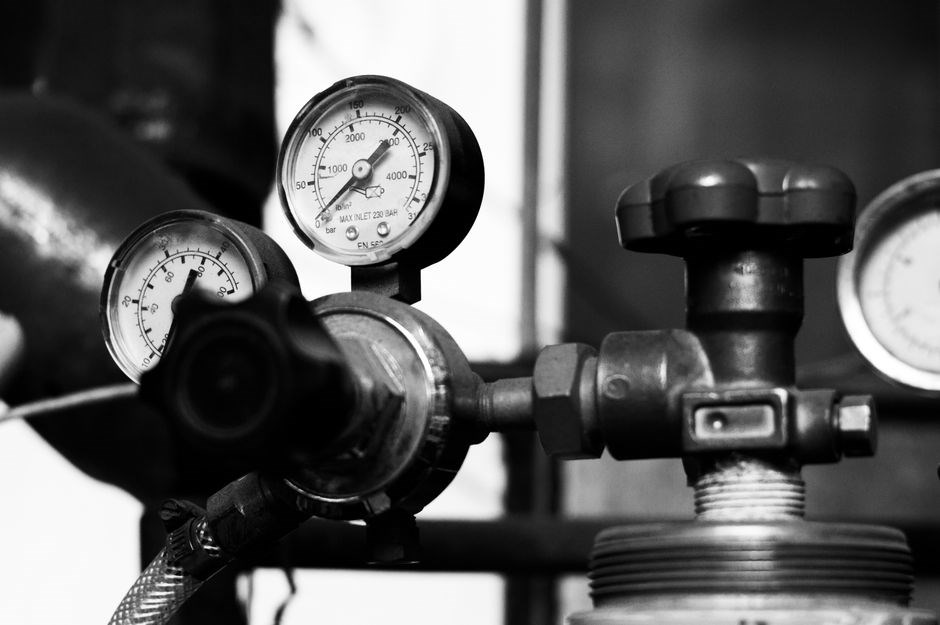
The pressure gauge on a DeWalt pressure washer provides real‑time visibility of the system’s operating pressure, allowing users to adjust settings for optimal cleaning performance. The gauge is calibrated to display pressure in PSI, with a clear, illuminated dial that remains visible even in bright sunlight. It is mounted on the front panel, within easy reach of the operator, and is protected by a tempered glass cover that resists impact and scratches.
The control valve is a critical component that regulates water flow to the pump. It features a lever‑type handle that can be moved between low, medium, and high pressure settings. The valve’s internal mechanism is sealed with a high‑quality O‑ring, preventing leaks and ensuring consistent pressure delivery. When the handle is moved to the high setting, the valve opens fully, allowing maximum flow to the pump and delivering the washer’s peak pressure.
To adjust the pressure, locate the control lever on the front panel. Move the lever to the desired setting and observe the gauge to confirm the pressure change. The gauge will respond within a few seconds, reflecting the new pressure level. If the gauge reads a pressure that is too high for the job, simply move the lever toward the low setting. Conversely, if the pressure is insufficient, shift the lever toward the high setting. The gauge and valve work together to give the operator precise control over the washer’s output while protecting surfaces from over‑pressure damage. Always check the gauge before each use to ensure reliable performance.!!

Installation and Setup
Mount the washer on a stable, level surface. Connect the water supply hose to the inlet, secure with a hose clamp. Attach the pressure hose to the outlet, ensuring a tight seal. Verify all connections, then power on the unit. Test for leaks before use. Store it in a dry, covered spot to avoid corrosion!
4.1 Mounting the Washer
Mount the washer securely to a stable, level surface, ensuring all bolts are tightened in a cross pattern to distribute pressure evenly. This helps prevent wobble and ensures optimal performance. Mount the washer securely to a stable, level surface, ensuring all bolts are tightened in a cross pattern to distribute pressure evenly. This helps prevent wobble and ensures optimal performance. Mount the washer securely to a stable, level surface, ensuring all bolts are tightened in a cross pattern to distribute pressure evenly. This helps prevent wobble and ensures optimal performance. Mount the washer securely to a stable, level surface, ensuring all bolts are tightened in a cross pattern to distribute pressure evenly. This helps prevent wobble and ensures optimal performance. Mount the washer securely to a stable, level surface, ensuring all bolts are tightened in a cross pattern to distribute pressure evenly. This helps prevent wobble and ensures optimal performance. Mount the washer securely to a stable, level surface, ensuring all bolts are tightened in a cross pattern to distribute pressure evenly. This helps prevent wobble and ensures optimal performance. Mount the washer securely to a stable, level surface, ensuring all bolts are tightened in a cross pattern to distribute pressure evenly. This helps prevent wobble and ensures optimal performance. Additionally, verify that the mounting surface can support the washer’s weight, including any accessories, and that the area allows for easy access to the water inlet and hose connections. Good!
4.2 Connecting Water Supply and Hose

Proper hose management includes regularly checking for cracks, bulges, or worn fittings before each use. If any damage is found, replace the hose immediately to avoid leaks or safety hazards. Store the hose in a dry, shaded area to prevent UV degradation. When operating, keep the hose away from moving parts, hot surfaces, or sharp edges that could cut or kink it. Periodically inspect the hose for leaks or wear, and replace it as needed to maintain safe and efficient operation. Keep hose free from obstructions. Always keep hose free from obstructions.!

Operation and Maintenance
Start the washer by turning the throttle to the lowest setting and ensuring the nozzle is at a safe distance. Regularly inspect the pump, filter, and hoses for wear. After each use, flush the system with clean water, then drain and store in a dry place. Maintain cleanliness!
5.1 Starting and Running the Machine
Before starting, ensure the pressure washer is on a stable surface and the water supply is fully connected. Turn the power switch to the OFF position, then engage the throttle to the lowest setting. Verify that the nozzle is positioned at least 12 inches from any surface to avoid accidental damage. Press the start button and listen for the engine to engage. Once the engine is running, gradually increase the throttle to reach the desired pressure output. Monitor the pressure gauge; it should stabilize within the specified range. If the gauge reads above the maximum, reduce the throttle or check for obstructions. After completing the cleaning task, turn the throttle to the lowest setting and press the stop button. Allow the engine to cool for at least 10 minutes before disconnecting the water supply or storing the unit. Always keep the nozzle clean and free of debris to maintain optimal performance and prevent clogging. For routine maintenance, inspect the pump, hoses, and filter every month, and replace any worn components promptly. Store the unit in a dry, covered area to protect it from weather damage. Following these steps ensures safe operation and prolongs the life of your DeWalt pressure washer.
For optimal longevity, avoid using the washer on surfaces that could be damaged by high pressure, such as painted decks or delicate glass. If you encounter foam or residue buildup, rinse the nozzle with clean water for continuing. Always keep the unit’s electrical connections dry and inspect the cord for fraying. Keep the nozzle at pointing at people now

5.2 Cleaning, Storage, and Routine Checks
After each use, rinse the nozzle and hose with clean water to remove detergent residue. Drain the tank completely; do not leave water inside, as it can freeze or cause corrosion. Inspect the pump for leaks and replace any damaged seals. Clean the exterior with a mild detergent, then dry thoroughly. Store the unit in a dry, covered area, away from direct sunlight and extreme temperatures. Keep the power cord coiled neatly to prevent wear. Perform a monthly visual inspection: check the hoses for cracks, the pressure gauge for accuracy, and the filter for blockage. Replace the filter every six months or sooner if dirty. Before each session, verify that the water supply is secure and that the pressure gauge reads within the manufacturer’s specified range. If the unit shows abnormal noise or vibration, shut it down immediately and consult the service manual. Regular maintenance extends the life of your DeWalt pressure washer and ensures safe operation.
To further safeguard your equipment, consider storing the pressure washer in a climate-controlled environment to prevent condensation. Before each use, inspect the hose for kinks or cuts, and replace any damaged sections immediately. Keep the nozzle clean by rinsing it with fresh water after every job. If you notice any unusual vibrations or noises, shut down the unit and consult the troubleshooting guide. Regularly check the oil level and top up with the recommended oil type. Store the unit in a dry place, and cover it with a breathable tarp to keep dust off. Use a protective cover during storage daily. Finally, keep a log of maintenance activities to track performance over time and schedule professional servicing as needed.