
The Secret History by Donna Tartt: A Comprehensive Guide to Finding the PDF & Understanding the Novel
Navigating digital access to Donna Tartt’s acclaimed novel involves understanding legal options and potential risks associated with PDF downloads, ensuring a secure reading experience.
What is “The Secret History”? — A Brief Overview
Donna Tartt’s 1992 debut novel, “The Secret History,” is a captivating and darkly atmospheric tale centered around a group of eccentric classics students at an elite New England college. The narrative unfolds with a retrospective voice, immediately revealing a murder committed by the close-knit group. This initial confession establishes a compelling mystery, drawing readers into the complex relationships and intellectual pursuits of these privileged yet troubled individuals.
The story explores themes of beauty, morality, and the dangerous allure of aestheticism. Finding a PDF version often stems from the desire for convenient access to this critically acclaimed work, though legal acquisition is always recommended.
The Novel’s Plot and Key Themes
“The Secret History” follows a group of six Classics students at Hampden College who, under the influence of their charismatic professor, Julian Morrow, become dangerously entangled in a world of ancient rituals and moral ambiguity. Their pursuit of beauty and transcendence leads to a tragic accident – a murder – and the subsequent cover-up that unravels their lives.
Key themes include the corrupting influence of exclusivity, the dangers of aestheticism, and the burden of guilt. Accessing a PDF copy doesn’t diminish the novel’s exploration of these profound ideas, but supports the author’s work through legal means is crucial.
Why the PDF Version is Popular
The popularity of a “The Secret History” PDF stems from its convenience and portability, allowing readers to access the novel on various devices without physical constraints. Students and avid readers appreciate the searchability feature within PDFs, aiding in academic study and analysis.
However, seeking a legitimate PDF ensures support for Donna Tartt’s authorship. While free, unofficial sources pose risks – malware, poor formatting, and copyright infringement. A legally obtained PDF offers a quality reading experience and ethical consumption.

Locating a Legal PDF of “The Secret History”
Purchasing the eBook from authorized retailers guarantees a safe, high-quality digital copy of Donna Tartt’s novel, respecting copyright laws and supporting the author.
Official Sources for Purchasing the eBook
For a legitimate and secure digital copy of “The Secret History,” several official sources offer the eBook for purchase. Major online booksellers like Amazon Kindle, Barnes & Noble Nook, and Kobo are reliable options, providing various formats compatible with different devices.
Apple Books is another excellent choice for Apple users, seamlessly integrating with their ecosystem. Directly visiting the publisher’s website, Alfred A. Knopf, may also present eBook purchasing opportunities. These platforms ensure you receive a legally authorized version, supporting Donna Tartt and the publishing industry while avoiding potential malware risks associated with unofficial downloads.
Potential Risks of Downloading from Unofficial Sources
Seeking a free PDF of “The Secret History” from unofficial websites carries significant risks. These sites often harbor malware, viruses, and spyware, potentially compromising your device and personal data. Downloading copyrighted material illegally is also a legal violation, exposing you to potential fines or legal repercussions.
Furthermore, these PDFs frequently contain corrupted files, rendering them unreadable or incomplete. The quality is often poor, with formatting errors and missing pages. Prioritizing legal acquisition methods safeguards your digital security and supports authors and publishers, ensuring continued literary creation and accessibility.
Legality and Copyright Considerations
Downloading or distributing unauthorized PDF copies of “The Secret History” infringes upon Donna Tartt’s and the publisher’s copyright. Copyright law protects intellectual property, granting exclusive rights to the creator. Obtaining the novel through illegal channels constitutes a violation of these rights, potentially leading to legal consequences, including fines and lawsuits.
Supporting authors by purchasing legitimate copies—eBooks or physical books—ensures they are compensated for their work. Respecting copyright fosters a sustainable literary ecosystem. Always opt for official sources to access the novel legally and ethically, upholding intellectual property rights.

Understanding the Characters
The novel’s compelling narrative revolves around a close-knit group of classics students and their enigmatic professor, Julian Morrow, at Hampden College.
Julian Morrow: The Enigmatic Professor
Julian Morrow, the Greek professor at Hampden College, is a pivotal and deliberately mysterious figure. He hand-selects a small group of students, fostering an intensely private and exclusive learning environment. Morrow’s aloof demeanor and unconventional teaching methods immediately set him apart, captivating his chosen pupils.
He embodies a classical ideal, seemingly detached from the mundane concerns of the modern world. His influence over the students is profound, shaping their intellectual and moral development, ultimately leading to unforeseen consequences. Morrow’s true motivations remain ambiguous throughout the novel, adding to his enduring enigma.
Henry Julian: The Central Figure & His Complexity
Henry Julian is arguably the most compelling and complex character in Donna Tartt’s novel. He presents a facade of aristocratic detachment and intellectual superiority, masking a deeply troubled interior life. Henry’s control over the group is subtle yet absolute, driven by a need for order and a profound sense of moral ambiguity.
His actions, though often shocking, are presented with a chilling rationality. He embodies the novel’s central themes of beauty, guilt, and the corrupting influence of secrets. Understanding Henry’s motivations is key to unraveling the narrative’s intricate layers and appreciating the story’s tragic core.
The Core Group of Students: Their Individual Roles
The tightly-knit group of classics students at Hampden College each embodies distinct personality traits and contributes uniquely to the unfolding tragedy. Bunny Corcoran, initially charming, becomes a disruptive force, holding dangerous knowledge. Francis Abernathy, wealthy and detached, provides a crucial financial buffer. Charles Macaulay struggles with guilt and alcoholism, while Camilla Macaulay remains enigmatic and alluring.
Each character’s flaws and vulnerabilities are exploited by Henry Julian, creating a dynamic of dependence and complicity. Their individual roles highlight the dangers of unchecked intellectualism and the corrosive effects of shared secrets within a closed social circle.
Exploring the Novel’s Setting: Hampden College
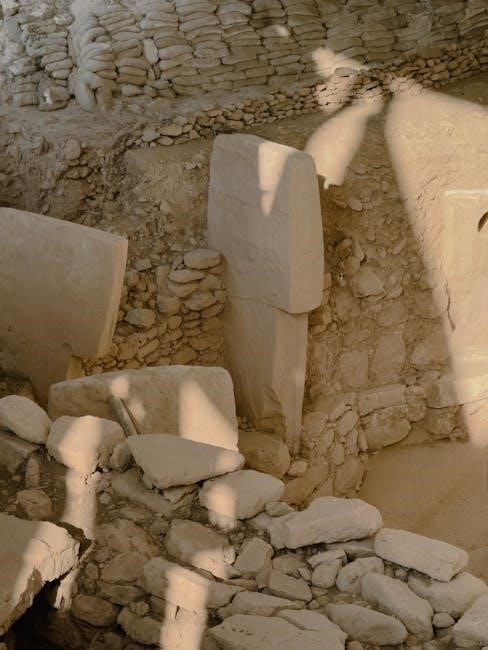
Hampden College’s isolated New England location fosters an insular atmosphere, mirroring the students’ detachment from mainstream society and intensifying the novel’s themes.
The Significance of the New England Setting
The choice of a remote New England college as the backdrop for “The Secret History” is profoundly significant, deeply influencing the narrative’s tone and thematic resonance. This isolated locale, steeped in academic tradition and a sense of historical weight, immediately establishes a feeling of exclusivity and detachment.
The stark beauty and often harsh climate of New England contribute to the novel’s overall atmosphere of melancholy and impending doom. Tartt masterfully utilizes the setting to mirror the characters’ internal states, emphasizing their alienation and moral ambiguity. The physical isolation of Hampden College amplifies the psychological isolation experienced by the core group of students, fostering a breeding ground for their dangerous secrets.
Hampden College as a Microcosm
Hampden College, within the narrative of “The Secret History,” functions as a meticulously crafted microcosm of a larger, flawed society. It’s a contained world where elitism, intellectual pretension, and hidden darkness flourish beneath a veneer of academic respectability. The college’s exclusive atmosphere, with its emphasis on classical studies and selective admissions, mirrors the societal hierarchies and power dynamics that exist beyond its gates.
The students’ detachment from mainstream college life and their immersion in a secretive world of ancient Greek rituals create a self-contained ecosystem, amplifying their moral failings and ultimately leading to tragic consequences. Hampden becomes a stage for exploring themes of guilt, responsibility, and the corrupting influence of privilege.
The Atmosphere and Isolation of the Campus
The pervasive atmosphere of Hampden College is one of profound isolation, both physical and emotional, deeply influencing the characters’ actions in “The Secret History.” Nestled in the remote Vermont countryside, the campus is deliberately cut off from the outside world, fostering a sense of insularity and detachment. This geographical isolation mirrors the students’ emotional distance from conventional society and their increasing immersion in their own exclusive world.
The long, harsh winters and the gothic architecture contribute to a feeling of claustrophobia and melancholy, amplifying the characters’ internal struggles and heightening the sense of impending doom.

Analyzing the Novel’s Narrative Structure
Tartt employs a unique narrative, revealing events retrospectively through the eyes of the narrator, building suspense and exploring themes of guilt and consequence.
The Use of First-Person Narration
Donna Tartt’s masterful choice of first-person narration profoundly shapes the reader’s experience of The Secret History. This perspective, delivered by Richard Papen, immediately establishes intimacy and invites us into his subjective reality, yet simultaneously creates a filter through which all events are perceived. We are reliant on his interpretations, biases, and eventual confessions, fostering a sense of unease and questioning the reliability of the account.
The narrative’s immediacy draws us into the cloistered world of Hampden College, but also restricts our knowledge, mirroring Richard’s own gradual understanding of the unfolding tragedy. This limited viewpoint heightens the suspense and compels us to actively participate in deciphering the truth alongside the narrator, making the reading experience uniquely compelling.
The Impact of Retrospective Storytelling
The Secret History unfolds not as a linear progression, but as a recollection of past events, significantly impacting the novel’s atmosphere and thematic resonance. Richard Papen narrates from a point after the central tragedy, immediately establishing a sense of foreboding and inevitability. This retrospective lens colors every detail, hinting at the darkness to come and prompting questions about the path that led to such a devastating outcome.
The narrative structure allows Tartt to build suspense gradually, revealing clues and motivations piece by piece. Knowing the ending from the outset doesn’t diminish the tension; instead, it focuses our attention on the how and why, deepening our engagement with the characters and their complex relationships.
The Slow Burn and Building Tension
Tartt masterfully employs a deliberate pacing in The Secret History, eschewing immediate thrills for a gradual, unsettling build-up of tension. The novel doesn’t rush into the central event; instead, it meticulously establishes the characters, their world, and the peculiar dynamics within the Greek class. This slow burn allows readers to become deeply invested in their lives, making the eventual tragedy all the more impactful.
The tension arises not from external threats, but from the internal conflicts and secrets simmering beneath the surface. Subtle clues and foreshadowing create a sense of unease, hinting at the darkness lurking within this seemingly idyllic academic setting, drawing the reader further into the mystery.

Decoding the Symbolism in “The Secret History”
The novel is rich with symbolic layers, from ancient Greek motifs to the chilling presence of winter, enhancing thematic depth and narrative resonance.
The Role of Ancient Greek Culture
Ancient Greek language and philosophy permeate Hampden College, profoundly shaping the students’ worldview and actions; The exclusive Greek class, taught by Julian Morrow, isn’t merely academic; it’s a gateway to a different mode of being, fostering a sense of elitism and detachment from conventional morality. Tartt meticulously weaves Greek mythology, particularly the Dionysian mysteries, into the narrative, foreshadowing the tragic events that unfold.
The students’ attempt to recreate a Bacchic ritual symbolizes their yearning for transcendence and a primal connection to the ancient world, ultimately leading to devastating consequences. This immersion in classical ideals serves as both a catalyst and a justification for their actions, highlighting the dangerous allure of unchecked intellectualism and aestheticism.
The Symbolism of Winter and Cold
The pervasive presence of winter and cold throughout “The Secret History” isn’t merely atmospheric; it functions as a potent symbol of emotional isolation, moral decay, and impending doom. The harsh New England landscape mirrors the characters’ internal frigidity and their detachment from societal norms. The novel’s progression parallels the deepening winter, intensifying the sense of claustrophobia and foreshadowing the tragic climax.
Coldness represents the characters’ inability to connect authentically, their emotional stuntedness, and the chilling consequences of their actions. It underscores the novel’s themes of guilt, secrecy, and the destructive power of repressed emotions, creating a haunting and unforgettable reading experience.
The Meaning Behind the Bacchanal
The bacchanal scene in “The Secret History” is far more than a reckless act of indulgence; it’s a pivotal event representing the group’s descent into moral chaos and their attempt to transcend conventional boundaries. Inspired by ancient Greek rituals, the bacchanal symbolizes a desperate search for ecstatic experience and a rejection of rational control. However, this pursuit quickly spirals into violence and tragedy, revealing the dangerous consequences of unchecked desires.
The event exposes the characters’ vulnerabilities and their willingness to sacrifice morality for a fleeting sense of liberation, ultimately foreshadowing their downfall and the unraveling of their carefully constructed world.
“The Secret History” and its Literary Influences
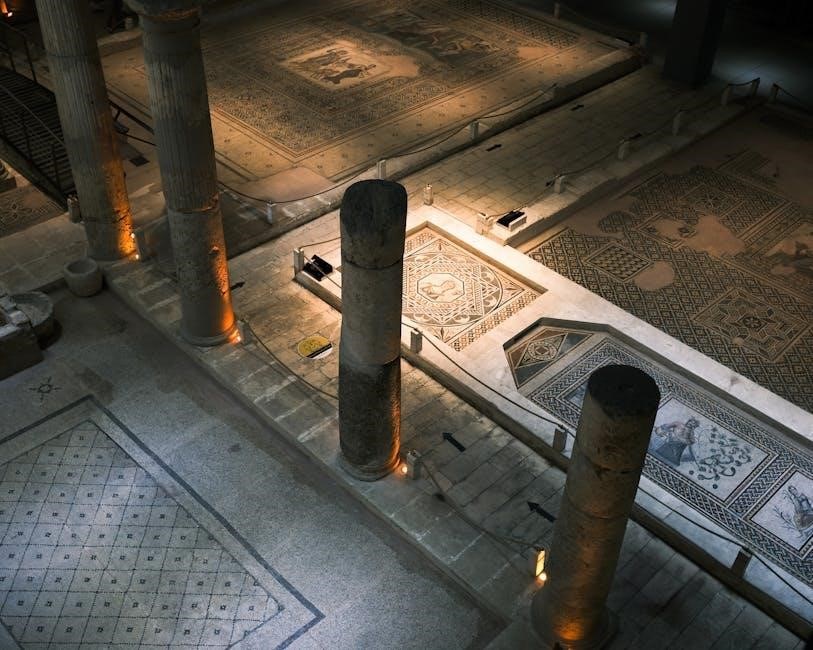
Tartt’s novel masterfully blends classical literature, Gothic elements, and Dark Academia tropes, creating a unique narrative voice and captivating reading experience.
Connections to Classical Literature
Donna Tartt’s The Secret History is deeply interwoven with the fabric of classical literature, particularly ancient Greek tragedy and philosophy. The novel’s core revolves around a group of Classics students at Hampden College, whose intense study of the ancient world profoundly impacts their actions and worldview. References to Greek mythology, rituals, and dramatic structures are pervasive throughout the narrative, serving as both thematic undercurrents and plot devices.
The students’ fascination with Dionysian rites, specifically the Bacchanal, directly draws upon ancient Greek religious practices. This exploration of ecstatic, unrestrained behavior provides a crucial lens through which to understand the characters’ descent into moral ambiguity and ultimately, tragedy. Tartt doesn’t merely allude to these classical sources; she actively engages with them, reinterpreting and reimagining them within a modern context.
Comparisons to Gothic and Dark Academia Novels
The Secret History frequently finds itself categorized within the Gothic and Dark Academia genres, sharing key characteristics with both. Like classic Gothic novels, Tartt’s work features a secluded setting – Hampden College – and an atmosphere of mystery, decay, and psychological torment. The novel’s exploration of hidden secrets, moral transgression, and the darker aspects of human nature aligns with Gothic tropes.
Furthermore, its emphasis on intellectual pursuits, elitism, and the intense, often obsessive relationships within an academic environment firmly places it within the Dark Academia aesthetic. However, Tartt transcends simple categorization, offering a uniquely modern and psychologically nuanced take on these established conventions.
Tartt’s Unique Style and Voice
Donna Tartt distinguishes herself through a meticulously crafted prose style, characterized by lush descriptions, intricate sentence structures, and a deliberate pacing that builds suspense. Her narrative voice, employing first-person retrospective narration, creates an intimate yet unreliable perspective, drawing readers into the psychological complexities of the story.
Tartt’s ability to blend literary allusions – particularly to classical Greek literature – with contemporary settings and themes is also notable. This creates a distinctive atmosphere, both intellectual and emotionally resonant, setting her apart from many contemporaries and solidifying her literary signature.

The Critical Reception and Lasting Impact
Initially divisive, “The Secret History” garnered a devoted following, becoming a cultural touchstone and inspiring the “Dark Academia” aesthetic online.
Initial Reviews and Controversy
Upon its 1992 release, Donna Tartt’s “The Secret History” sparked considerable debate among critics and readers alike. Some lauded its ambitious scope, intricate prose, and compelling characters, praising Tartt’s ability to create a uniquely atmospheric and intellectually stimulating narrative. However, others found the novel pretentious, overly mannered, and morally ambiguous.
The novel’s depiction of privileged, amoral students and its exploration of dark themes – including murder – proved particularly controversial. Accusations of elitism and sensationalism were leveled against Tartt, while some questioned the novel’s aestheticization of violence. Despite the mixed initial reception, “The Secret History” steadily gained a dedicated readership, ultimately achieving widespread critical acclaim and enduring popularity.
The Novel’s Cult Following
“The Secret History” has cultivated a remarkably devoted and enduring cult following since its publication. This passionate fanbase is fueled by the novel’s atmospheric setting, complex characters, and exploration of profound themes. Online forums and social media groups dedicated to the book thrive with detailed discussions, fan theories, and artistic interpretations.
The novel’s aesthetic – often associated with “Dark Academia” – resonates strongly with readers, inspiring fashion, lifestyle choices, and creative works. The search for a readily available PDF version, while often legally fraught, speaks to the book’s continued accessibility and widespread desire to engage with Tartt’s captivating story.

Frequently Asked Questions About the PDF & Novel
Common inquiries center on PDF safety, optimal eBook readers for enjoying Tartt’s work, and locating vibrant online communities for insightful discussions.
Is it safe to download the PDF from free websites?
Downloading PDFs of “The Secret History” from unofficial, free websites carries significant risks. These sites often harbor malware, viruses, and other malicious software that can compromise your device and personal data. Furthermore, such downloads frequently violate copyright laws, potentially leading to legal repercussions. While the allure of a free copy is understandable, prioritizing digital security and respecting intellectual property is crucial.
Consider legitimate eBook retailers or library services for a safe and legal reading experience. Remember, if a deal seems too good to be true, it likely is!
What are the best eBook readers for “The Secret History”?
Choosing the right eBook reader enhances your enjoyment of Donna Tartt’s complex novel. Kindle devices, with their adjustable fonts and built-in dictionaries, are popular choices. Kobo readers offer broader file format support, including EPUB, a common eBook standard. For reading on computers or tablets, applications like Adobe Digital Editions provide a comfortable experience. Consider screen size and battery life based on your preferences.
Ultimately, the “best” reader depends on individual needs, but prioritizing readability and compatibility ensures a seamless journey through the narrative.
Where can I find discussion forums about the book?
Engaging with fellow readers deepens your understanding of “The Secret History.” Goodreads hosts a vibrant community with dedicated discussion groups for the novel, offering diverse interpretations. Reddit’s r/books and specific Donna Tartt subreddits provide platforms for in-depth analysis and debate. Online literary forums, like LitLovers, also feature active threads. These spaces allow you to share insights, explore themes, and connect with others captivated by Tartt’s storytelling. Participating enriches the reading experience and fosters a broader appreciation for the book’s nuances.

Alternatives to PDF: Audiobooks and Physical Copies
Beyond digital PDFs, experience “The Secret History” through immersive audiobooks or the tactile pleasure of a physical edition, enhancing your engagement with the story.
Exploring Audiobook Options
Immerse yourself in the captivating world of “The Secret History” with a professionally narrated audiobook, offering a unique and engaging experience. Several platforms, including Audible, Kobo, and Google Play Books, provide audiobook versions of Donna Tartt’s novel. These options allow you to listen while commuting, exercising, or simply relaxing.
Consider the narrator’s style – a skilled voice actor can truly bring the characters and atmosphere to life. Audiobook lengths typically mirror the print edition, around 13 hours, providing a substantial listening commitment. Exploring audiobook samples beforehand ensures the narration aligns with your preferences, enhancing your enjoyment of this complex and atmospheric story. It’s a fantastic alternative to a PDF!
The Appeal of a Physical Book Edition
For many readers, the tactile experience of a physical book enhances the immersion in Donna Tartt’s intricate narrative. Holding “The Secret History” allows for a deeper connection with the story, fostering a sense of ownership and allowing for easy annotation and revisiting of key passages. The visual aesthetic of the cover and the weight of the book contribute to the overall reading ritual.
A physical copy eliminates the distractions of digital devices, promoting focused engagement. It’s a beautiful object in itself, perfect for collectors and those who appreciate the art of bookmaking. Choosing a physical edition offers a timeless reading experience, independent of technology.
Comparing Formats: Which is Best for You?
The “best” format for experiencing “The Secret History” depends entirely on individual preferences and reading habits. A PDF offers portability and convenience, ideal for readers on the go, but can strain eyes during prolonged use. Audiobooks provide a captivating alternative, perfect for commutes or multitasking, bringing the story to life through narration.
However, a physical book delivers a uniquely immersive experience, free from digital distractions and offering the joy of tangible ownership. Consider your lifestyle, reading environment, and desired level of engagement when selecting your preferred format for this compelling novel.